
Health Literacy Policy Preconference
Presented by the United States Health Literacy Association (USHLA)

In Collaboration with the Institute for Healthcare Advancement
The United States Health Literacy Association (USHLA) will host a virtual preconference as part of the 25th Annual IHA Health Literacy Conference.
Date: May 11, 2026
Time: 9:00 a.m.–12:00 p.m. PT
Format: Live, Virtual
Registration Fee: $50
Overview
This virtual preconference focuses on the role of policy and organizational change in advancing health literacy. Designed for professionals interested in systems-level impact, the session will highlight how health literacy is being addressed through policy efforts at organizational, state, and federal levels.
Participants can expect:
- Examples of how organizations are working to influence or implement policy changes that support health literacy
- Practical guidance on navigating and organizing policy efforts to advance health literacy at the state or federal level
- Updates on USHLA’s current policy priorities, initiatives, and opportunities for engagement
The USHLA preconference is intended to provide context, strategy, and connection for those interested in policy-driven approaches to health literacy, while complementing the broader IHA Health Literacy Conference program by offering a focused space to explore the policy and systems-level dimensions of health literacy that underpin and enhance the practical, community, and clinical discussions featured throughout the main conference.
Agenda:
Speakers:

Greg O’Neill MSN, APRN, AGCNS-BC, NPD-BC, NEA-BC
Director, Patient & Family Health Education
Chair, Health Literacy Council of Delaware
Bio:
As the Chair of the Health Literacy Council of Delaware, Greg leads a statewide initiative to impact the strategic plan for health literacy across all health sectors. He is also the Director of Patient & Family Health Education at ChristianaCare, where he leads the strategic plan for patient education and health literacy initiative systemwide. After moving on from direct patient care as a trauma/surgical ICU nurse, Greg has fully embraced the mission of literacy to improve quality of life and health outcomes. He is also the chair of the board of directors for Literacy Delaware, an adult literacy agency in Wilmington, DE.
Greg has been with ChristianaCare for 16 years and received his MSN as a CNS from the University of Delaware.

Jodi Chapell Mitchell
Sr. Director, Government Relations & Policy
Bio:
Jodi Mitchell is the senior director of government relations and policy for WellLink Health Alliance. With over 25 years of healthcare policy and advocacy experience on the federal, state and local levels, Jodi leads partnerships with healthcare providers, community collaborators, and policymakers to support the health and well-being of the community. Jodi is a collaborator who builds strategic relationships united to achieve common goals and collective impact.
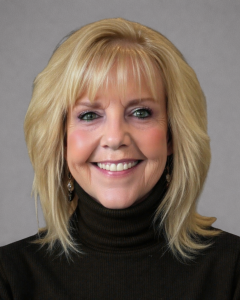
Karen Komondor, RN, BSN, CCRN
USHLA President
Bio:
Karen Komondor is a nationally recognized health literacy leader, TEDx speaker, and healthcare communication strategist. As the founder and president of Health Literacy 360 LLC, she delivers keynotes, training, and consulting services to enhance healthcare communication and practice. A registered nurse, Karen began her career in trauma critical care before transitioning to staff and patient education, where she discovered her passion for advancing clear communication as a foundation of high-quality care.
She served for more than two decades as Director of the Health Literacy Institute at St. Vincent Charity Medical Center in Cleveland, Ohio, leading efforts to embed health literacy practices across the continuum of care.
Karen has chaired Healthy Cleveland’s Health Literacy Task Force, co-founded and served as president of Ohio Health Literacy Partners, chaired the National Council to Improve Patient Safety through Health Literacy, co-chairs the AI Health Literacy Committee within the HIMSS Northern Ohio AI Center of Excellence, and serves as president of the United States Health Literacy Association.
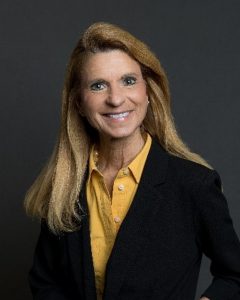
Teresa Wagner, DrPH, MS, CPH, RD/LD, CPPS, FNAP, CHWI, DipACLM, CHWC, CPCHE, FTPHA
USHLA President-elect
Bio:
Dr. Teresa Wagner is an Associate Professor in Public Health at UNT Health Fort Worth. She serves as Director of the Health Literacy Lab and UNT Health’s CHW Training Center. Dr. Wagner is a recognized leader in health literacy advocacy in Texas and currently serves as Vice President of the U.S. Health Literacy Association and formerly served as an executive board member of the International Health Literacy Association.
Dr. Wagner holds a DrPH from UNT Health Fort Worth and is a registered and licensed dietitian with certifications in Public Health, Patient Safety, Lifestyle Medicine, Health Coaching, Clinical Health Equity, and as a Certified CHW Instructor. Her research focuses on improving communication to advance both personal and organizational health literacy, ultimately strengthening health outcomes and population health. A sought-after presenter and mentor, Dr. Wagner has delivered numerous speaking engagements and received multiple awards and recognitions for her contributions to the field.
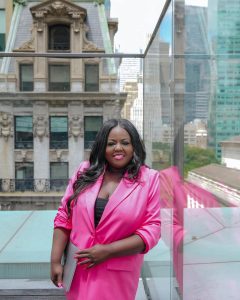
Monique Hill, MSW
USHLA Secretary
Bio:
Monique Hill is the Founder and Lead Consultant of HELP Solutions; a health equity consulting firm launched in 2022. Prior to the inception of HELP Solutions, Monique Hill served as an Associate Professor and Health Literacy and Partnership Engagement Advisor for the NNLM Region 2. In all these roles, she brought her extensive experience in social work and policy to the forefront, developing community-based programs, engaging the community, and advocating for the elimination of disparities linked to social and racial injustices.
Through HELP Solutions, Monique collaborates with health systems to build trusted community partnerships, scale culturally responsive programs, and train organizations to advance equitable health outcomes.
She holds a B.S. in Social Work from Benedict College and an MSW from Florida State University and is working on an MBA in Health Care with a focus on AI Leadership.
Monique’s mission is to ensure every community has the tools, understanding, and support to take charge of their health. She believes the future of health literacy depends on making sure patients aren’t left behind as AI and other technologies transform healthcare.

Catina O’Leary, PhD, MSW
USHLA Secretary
Bio:
Catina O’Leary, PhD, MSW is President and CEO at Health Literacy Media (HLM), a non-profit health literacy focused communications company based in St. Louis and working around the world. Over the last 25 years, she has focused on leading health research, health education development, and the implementation and evaluation of health interventions across populations internationally. Before joining HLM in 2012, Dr. O’Leary was Assistant Professor at Washington University School of Medicine in the Departments of Psychiatry and the Program in Occupational Therapy.
Dr. O’Leary is a member of the National Academies of Sciences, Engineering, and Medicine’s Roundtable on Health Literacy. She serves on the Board at Ranken Jordan Pediatric Bridge Hospital. She also serves as Secretariat for the International Health Literacy Association (IHLA).