
2024 Health Literacy Award Winners
International Initiatives
Evidence-informed development of women-focused cardiac rehabilitation education
Dr. Gabriela Melo Ghisi, University Health Network

The development of the Cardiac College for Women project involved several key steps to address a critical gap in health literacy regarding the management of cardiovascular disease (CVD) among women. Led by Dr. Gabriela Melo Ghisi, the initiative began by adapting and updating an existing comprehensive, evidence-based cardiac rehabilitation (CR) education program to specifically cater to the needs of women with CVD. Through a rigorous process, the curriculum was developed based on user feedback, health literacy principles, and adult education theories. Additionally, the project involved conducting think-aloud sessions with women starting CR, followed by semi-structured interviews to gather detailed patient input on the educational materials.
Subsequently, a multi-site, mixed-method, prospective, controlled assessment was undertaken to evaluate the effectiveness and implementation of the women-focused educational materials. This assessment included qualitative interviews with patients and program staff to identify barriers and facilitators to education implementation. Moreover, the implementation of the educational resources involved disseminating educational slides to CR programs and devising a strategy to translate and culturally adapt the materials into other languages, thereby ensuring their relevance across diverse cultural contexts. Overall, the Cardiac College for Women project represents a comprehensive effort to bridge the health literacy gap in CVD management among women, with the potential to improve outcomes globally.
Published Materials
The Strength of My Scars: illustrated patient educational books for medical and surgical conditions
Maria Baimas-George, MD, MPH, Department of Surgery, Atrium Health
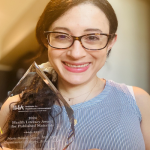
I am a transplant surgeon and during my training, I noticed first-hand that the stressful nature of illness and the hospital environment can suppress comprehension of important medical information, contributing to fear. Compounded by poor health literacy, patient understanding and retention is understandably poor. Further, limited health literacy has a direct association on patient outcomes in both pediatric and adult medicine. Unfortunately, as doctors, we learn a new language in medical school but are never taught how to communicate with our patients appropriately. To help, I began writing and illustrating books explaining medical and surgical conditions called ‘the Strength of my Scars.’ These books serve as supplements to conversations with medical professionals with goals of improving comprehension and satisfaction and reducing anxiety. Each book addresses anatomy and pathophysiology of a specific condition using easy-to-understand language and colorful visual aids. Vetted by experts in the field and designed for a 5th to 6th grade reading level, we hope that these books meet the needs and health literacy levels of the majority of patients. The series currently contains nearly 40 illustrated books targeted for either adults or children, addressing a wide range of topics from liver transplantation to broken bones!
Research
A Retrospective Review of the Effectiveness of a Local Health Care Process Designed to Improve Understandability, Actionability, and Readability of Written Documents for Veterans)
Erica Wilson, DNP, BS, RN, CMDN, COHC, CNOR
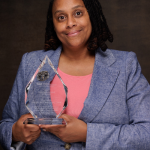
Preventable chronic diseases are plaguing our Veterans. Health literacy is an important component of prevention and chronic disease self-management. People need health literacy skills to read and understand information. The Veterans Health Administration (VHA) issued a directive to improve the understandability, actionability, and readability of written Veterans Health Education and Information (VHEI) resources.
This retrospective review of a local evidence-based process improvement initiative was implemented at the Washington DC Veterans Affairs Medical Center to satisfy that directive. The local initiative involved a robust education administered through a four-cycle Plan-Do-Study-Act framework by the VHEI Coordinator to the committee responsible for approving written Veteran education documents for publication within the facility. This process aimed to review and analyze the documents produced by this improvement and evaluate its effectiveness.
This initiative successfully satisfied the VHA directive, decreased the reading grade level of written documents, and increased the Committee’s perceived self-efficacy to review and provide feedback on written documents as a sustainable review process. Efforts to update all documents through this standardized process are underway. Other healthcare organizations concerned with improving the understandability, actionability, reading ease, and grade level assessment of their written documents may also benefit from a similar standardized review process.
Innovative Programs
The Health Fluency Project
Aditya Tummala & Beier Nelson, Co-Founders

The development of the Cardiac College for Women project involved several key steps to address a critical gap in health literacy regarding the management of cardiovascular disease (CVD) among women. Led by Dr. Gabriela Melo Ghisi, the initiative began by adapting and updating an existing comprehensive, evidence-based cardiac rehabilitation (CR) education program to specifically cater to the needs of women with CVD. Through a rigorous process, the curriculum was developed based on user feedback, health literacy principles, and adult education theories. Additionally, the project involved conducting think-aloud sessions with women starting CR, followed by semi-structured interviews to gather detailed patient input on the educational materials.
Subsequently, a multi-site, mixed-method, prospective, controlled assessment was undertaken to evaluate the effectiveness and implementation of the women-focused educational materials. This assessment included qualitative interviews with patients and program staff to identify barriers and facilitators to education implementation. Moreover, the implementation of the educational resources involved disseminating educational slides to CR programs and devising a strategy to translate and culturally adapt the materials into other languages, thereby ensuring their relevance across diverse cultural contexts. Overall, the Cardiac College for Women project represents a comprehensive effort to bridge the health literacy gap in CVD management among women, with the potential to improve outcomes globally.